The setting
The south gallery: the mosaic in its own place on the wall, ringed by vaults and windows. Whichever corner of this space you turn to, another work appears.
Four thresholds, the book's four chapters. Tap or click one to see it in detail, or scroll down to follow them all in turn.
Your device is set to reduce motion. The text view gives the same content without scroll effects.
The south gallery: the mosaic in its own place on the wall, ringed by vaults and windows. Whichever corner of this space you turn to, another work appears.
Scroll to move closer
Skip the mosaic experienceThe present building is the third church on this site, raised between 532 and 537 to the design of Anthemius of Tralles and Isidore of Miletus. For the first time at this scale, a dome was set not on a circular wall but on a square plan, carried by pendentives. A ring of forty windows encircles its base, some 31 metres across; the book looks past the dome to the arches and half-domes that hold it up.
The gold-ground mosaics are the best known face of the building. Around them stand marble panels opened and matched like the pages of a book, capitals cut deep with the drill, bronze door leaves and eight vast calligraphic roundels. Any one of them alone would be enough to make this building famous the world over.
Hagia Sophia is a place of visit and of worship, and the route almost everyone takes is the same. The roof at the foot of the dome, the stone ramps that climb to the upper gallery, the names and marks cut into the parapets across the centuries, among them Norse runes: none of it lies on that route. The book leaves the route.
Inscriptions, travellers' engravings and written accounts, early photographs: each is a first-hand witness of the century that saw the building. Some of the mosaics uncovered and then covered again during the Fossati restoration of 1847-1849 survive only in the drawings made at the time. The book rests every claim on such documents.
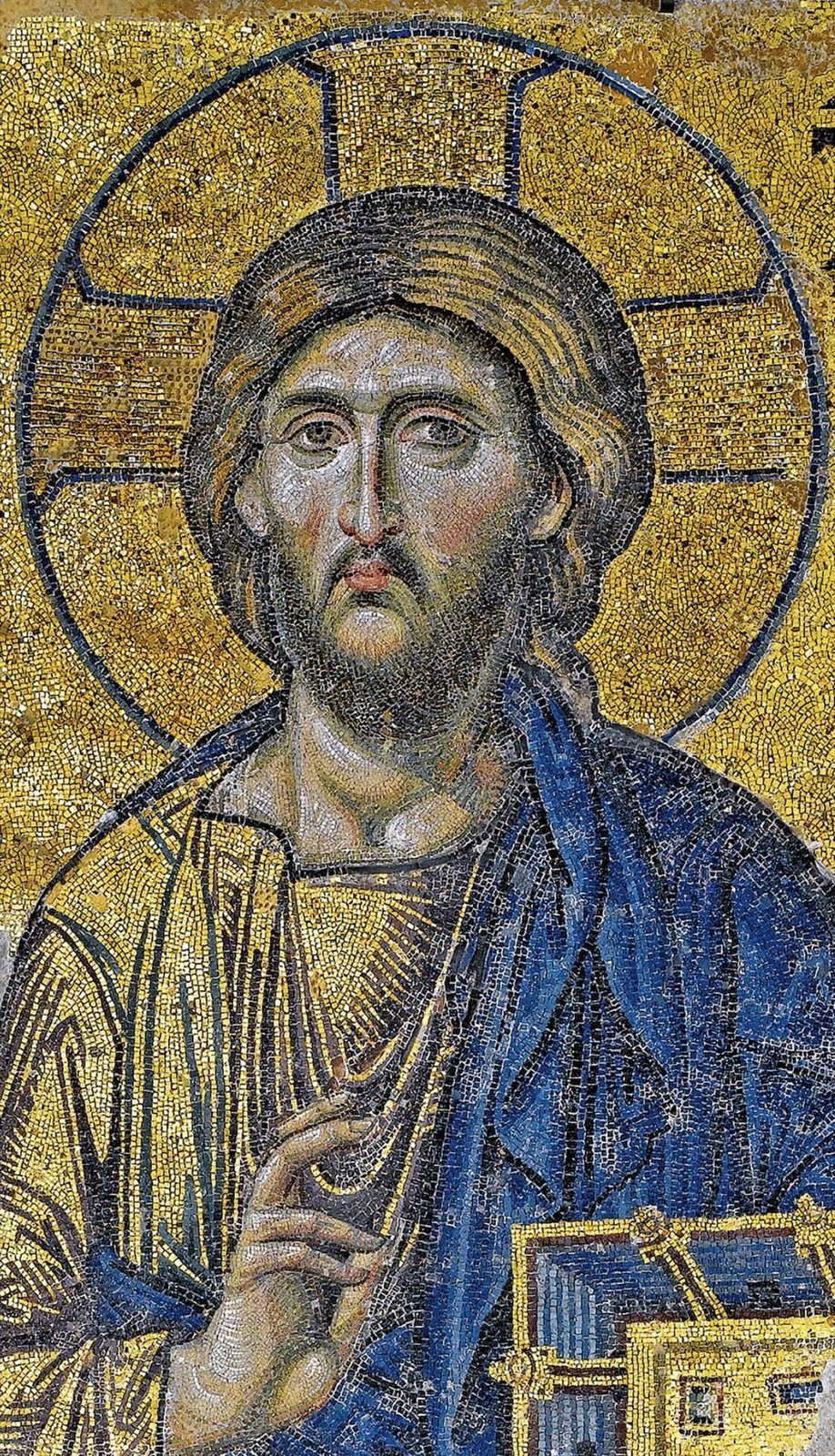
It examines the dome, galleries, doors, mosaics and inscriptions in their architectural setting.
It compares historical documents with observations of the building.
It places Hagia Sophia within Istanbul’s urban and cultural history.
Dome, marble, mosaic and inscription: evidence of different periods in one building.
The Turkish original, Ayasofya: Tarihin En Uzun Şiiri (Timaş Yayınları, 2020; 2nd edition 2022, 240 pages), examines Hagia Sophia through historical documents, drawings and photographs. An English edition is in preparation.
An English edition is in preparation. In the meantime, the Turkish edition — Ayasofya: Tarihin En Uzun Şiiri — is available now.